
The best way to evaluate our approach to IP development is to see it in practice. We'll prepare a provisional application for you, on us*. If you're not happy, we don't file, and the materials are yours regardless.
Our attorneys will dig into your business goals, IP priorities, and current process. Then, they'll walk through Tradespace's filing process and your next steps for getting an application filed.
Below is an example of one of our in-house IP attorneys
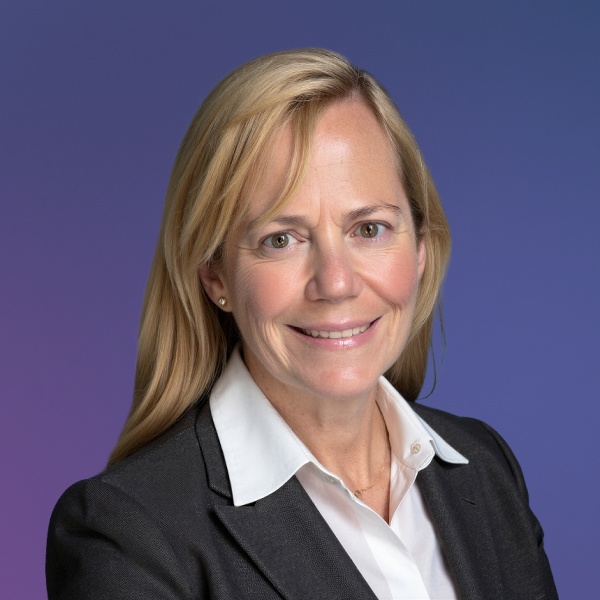
JD, Santa Clara University School of Law, PhD Electrical Engineering, Cornell University
Cooley · Hewlett-Packard · Applied Materials
Marcia combines deep technical training with two decades of patent prosecution across Silicon Valley's most active corporate IP functions. She's built and run prosecution operations at scale, and brings that operational rigor to every Tradespace engagement.
The best way to test the quality of our work is to see it in action. We'll prepare a filing for you. If you're not happy, we don't file, and you still keep all the materials.
Our IP experts walk through your business strategy, your IP goals, and your current process. By the end of the call, we both know whether there's a fit - and what your first filing should look like.
You send us a disclosure. We run prior art, develop a claim strategy aligned to your business goals, and flag potential 101/102/103/112 risk points - packaged into the same brief our clients receive.
If you like the brief, we match you to a USPTO-registered practitioner whose technical specialty fits your work. That same person stays with you across every matter going forward.
You review the prepared application. If you're happy with the work, the attorney files it - at no cost. If you're not, they don't file. Either way, the materials we developed are yours.
The full pilot — call, assessment, match, and your first filing — is on us. There's no obligation to continue.
Because the best way to show you the quality of our work is to do it. A real brief on a real disclosure, then a real filing — that tells you more about whether we're a fit than any pitch deck could. We invest the work upfront because we'd rather earn the next filing on the merits than on a contract.
Nothing. You sign a standard NDA before sending us anything. We use the disclosure only to develop your brief, and we keep it confidential whether you become a customer or not. If you walk away, you keep the brief and we destroy our copies on request. The brief is yours either way.
There isn't one. We file a provisional application at no cost. You own it. If you decide not to keep going with us, the filing is still yours — we don't claw it back, we don't lock you in. Our model is built on long-term filing relationships, and we'd rather lose money on the first one to earn the next ten.
A scoping conversation isn't an attorney-client engagement, so we're careful not to give legal advice in that posture. What you will get is a senior practitioner's read on your situation and a path forward. Privilege attaches once you sign an engagement letter with the attorney — typically once you decide to move forward to your first filing.
Book the call. The first 10 minutes are typically about how Tradespace works — flat-fee, AI-accelerated, attorney-signed. The next 20 are about your situation. If after the call you decide you're not ready, no need to proceed.

Chief Legal Officer, Enveda Biosciences, Series D biotech startup